
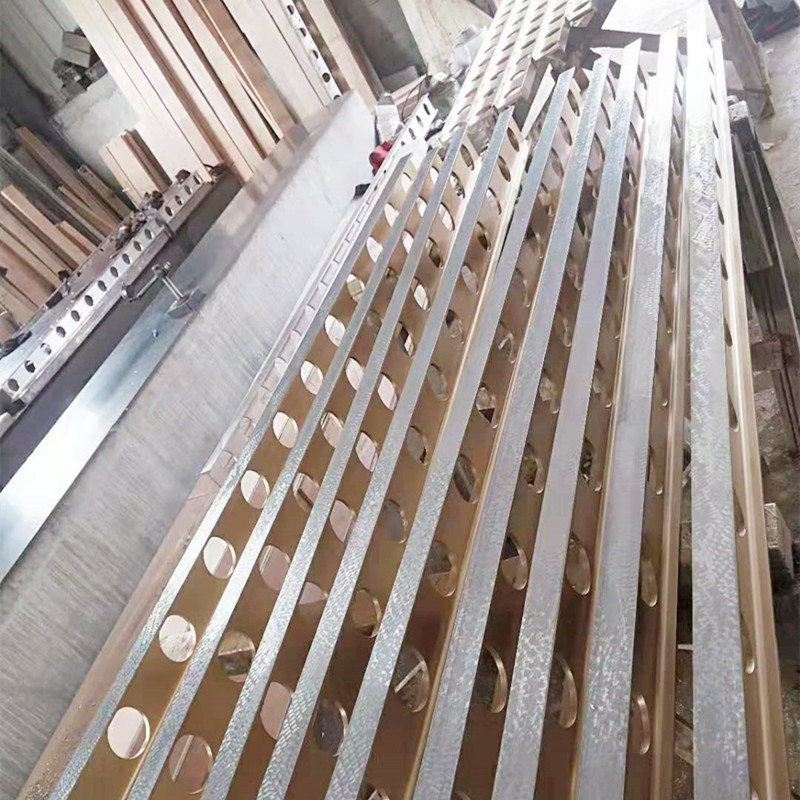
low e insulated glass panels
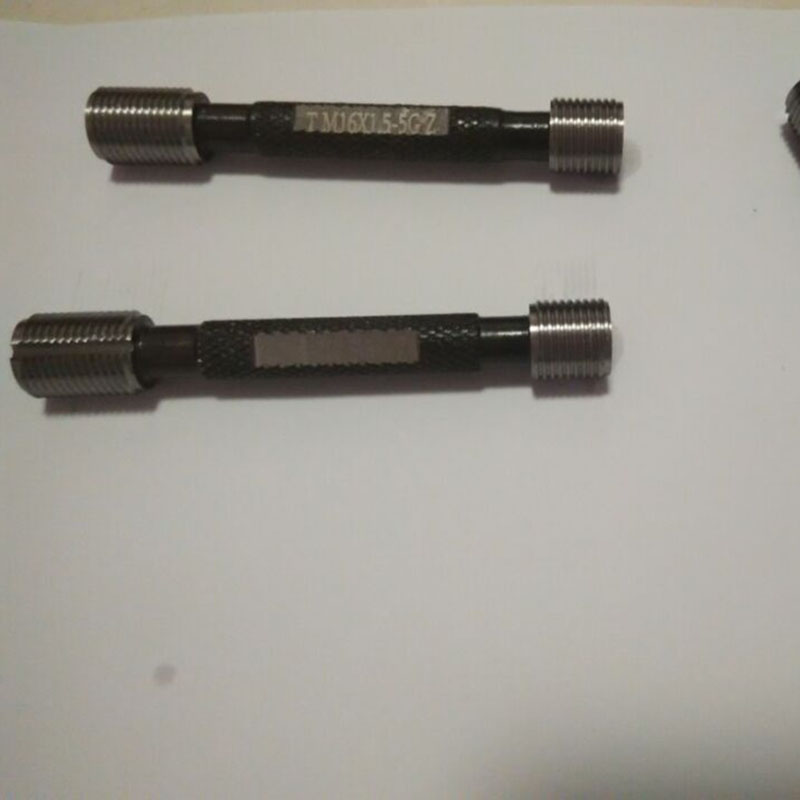
Understanding Thread Plug Gauges G and H Classes Understanding Thread Plug Gauges G and H Classes The primary function of a thread plug gauge is to verify the acceptability of external and internal threads. The G class gauges are designed for the functional limits of the thread, ensuring that the part can engage correctly with a corresponding threaded component. Typically, G class gauges are utilized for testing threads that require a higher level of precision and are often employed in production environments where maintaining tight tolerances is essential. These gauges help in ensuring that the parts not only fit together but also function effectively under various loading conditions. thread plug gauge g and h On the other hand, H class gauges are designed with a more lenient tolerance compared to G class gauges. They are used for inspecting threads that do not require as stringent specifications, making them ideal for applications where some degree of variability is acceptable. H class gauges are typically utilized in large-scale production where quick measurements are paramount, and precise fitting is not as critical. They serve to ensure that parts can still be assembled without issues, even if they may not meet the tighter tolerances dictated by G class gauges. When choosing between G and H class thread plug gauges, a manufacturer must consider factors such as the intended application, operational environment, and necessary precision levels. For instance, in aerospace or medical device manufacturing, where safety and reliability are paramount, G class gauges are often preferred. Conversely, in less critical applications, such as general manufacturing or automotive production where speed and cost-efficiency are prioritized, H class gauges may suffice. In conclusion, both G and H class thread plug gauges serve vital roles in maintaining quality standards in threaded components. By ensuring that parts meet the necessary tolerances, manufacturers can minimize defects, enhance assembly processes, and ultimately deliver higher-quality products. Understanding the distinctions between these gauge classes allows for better selection based on specific project requirements, contributing to improved efficiency and effectiveness in production environments.
about
low e insulated glass panels
The Importance of Stainless Steel Pigeon Spikes in Urban Environments In the bustling urban landscape, pigeons have become an ubiquitous sight, often causing issues with their droppings and nesting habits. To combat this, stainless steel pigeon spikes have emerged as a popular and effective solution to deter these feathered pests from landing and roosting on buildings and public spaces. Stainless steel pigeon spikes, as the name suggests, are anti-roosting devices made primarily from high-quality stainless steel. They consist of sharp, yet safe, spikes mounted on strips or plates that are designed to prevent birds, particularly pigeons, from perching on ledges, gutters, and other architectural features. The spikes are strategically placed to discourage birds without causing harm, making them a humane approach to bird control. The choice of stainless steel for these spikes is not arbitrary. Stainless steel offers numerous advantages over other materials. Firstly, it is highly resistant to corrosion, ensuring the spikes maintain their integrity and effectiveness even in harsh weather conditions or exposure to bird droppings. This durability ensures a long lifespan, reducing the need for frequent replacements and maintenance. Secondly, stainless steel has a sleek, unobtrusive appearance that blends seamlessly with the surrounding architecture. It does not rust or discolor, maintaining its aesthetic appeal while serving its functional purpose. Furthermore, the material is non-toxic, posing no risk to the birds or the environment Furthermore, the material is non-toxic, posing no risk to the birds or the environment Furthermore, the material is non-toxic, posing no risk to the birds or the environment Furthermore, the material is non-toxic, posing no risk to the birds or the environment stainless steel pigeon spikes . The installation of stainless steel pigeon spikes is a strategic process. They are typically positioned along the edges of ledges, rooftops, and other areas where pigeons tend to congregate. The spikes create an uncomfortable surface for the birds, discouraging them from landing and settling. Over time, they learn to avoid these areas, effectively deterring them from causing damage or nuisance. Moreover, the use of stainless steel pigeon spikes is not only practical but also contributes to the overall cleanliness and hygiene of the city. Pigeon droppings can be acidic and corrosive, damaging building facades and posing health risks due to the potential spread of diseases. By preventing,。 In conclusion, stainless steel pigeon spikes represent a smart and eco-friendly solution to the challenges posed by urban pigeon populations. Their durability, aesthetics, and effectiveness make them a preferred choice for property owners, facility managers, and environmentalists alike. As cities continue to grapple with the balance between human habitation and wildlife coexistence, innovations like stainless steel pigeon spikes offer a practical, humane, and sustainable way forward.
-

High quality industrial productsagement

High quality industrial products
View Details -

Meet the diverse needs of customers

Meet the diverse needs of customers
View Details -

Strict quality control

Strict quality control
View Details -

Top raw materials

Top raw materials
View Details -

Trusted supplier

Trusted supplier
View Details
Our application


news and information
water gate valve types
Water gate valves, often underrated, play a crucial role in managing water flow across various syste
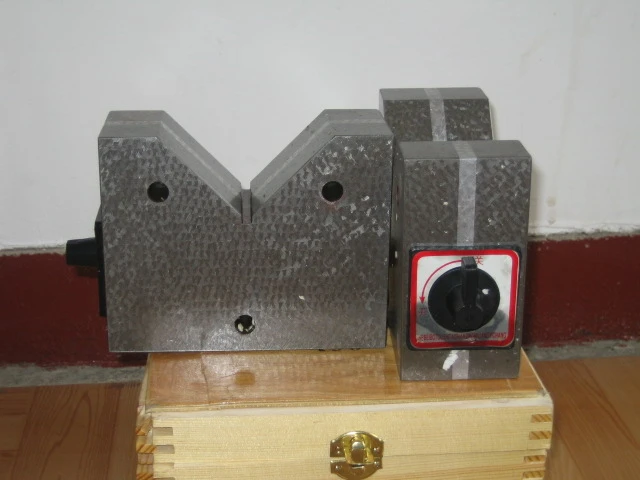
valve company
Valve Corporation, an iconic name in the gaming industry, has consistently set benchmarks in interac
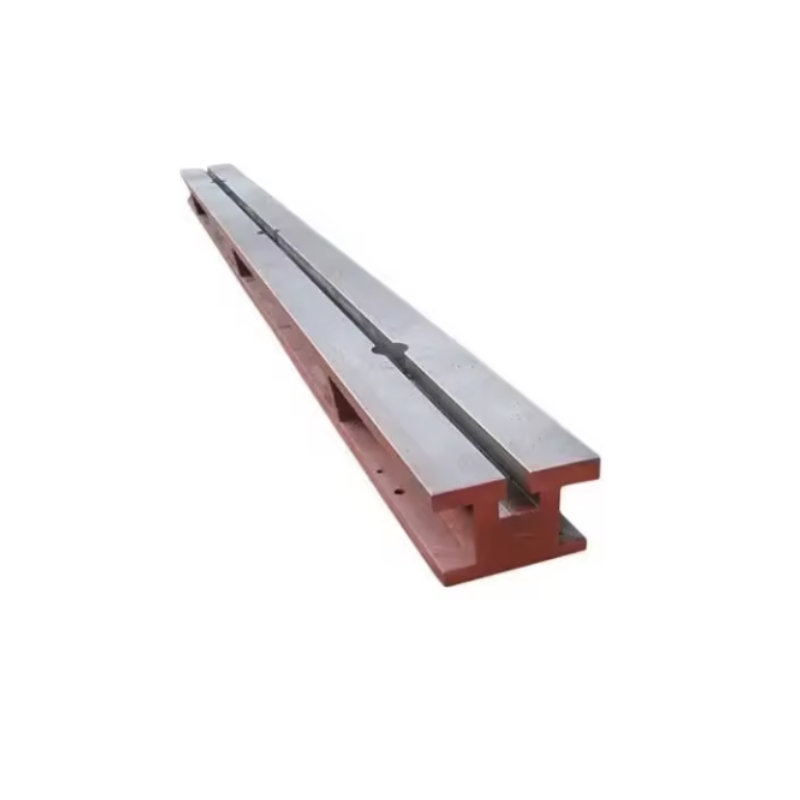
Versatile 3D Welding Table for Precision Fabrication and Efficient Workflow Solutions
The Advantages of a 3D Welding Table in Modern Fabrication In today’s fast-paced manufacturing envir
 English